
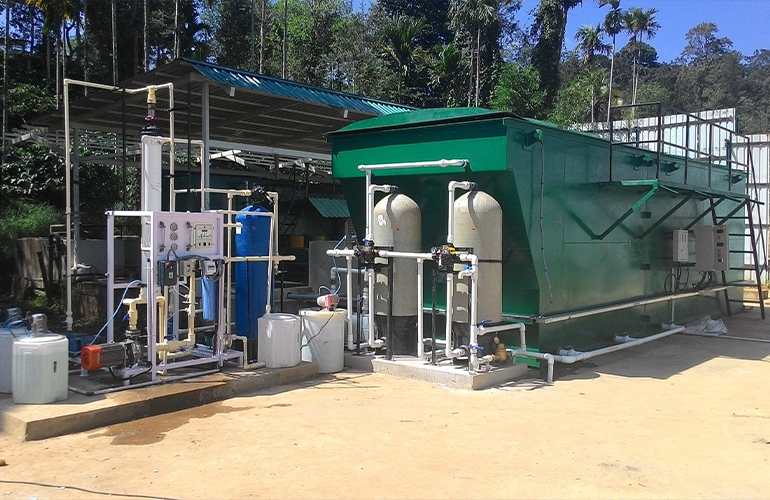
A Sewage Treatment Plant (STP) is a vital facility for treating wastewater, protecting public health, and safeguarding the environment. By removing contaminants and pathogens from sewage, STPs ensure that treated water is safe for discharge or reuse. Various treatment methods, including physical, biological, and chemical processes, are employed in STPs to achieve the desired water quality.
While there are challenges in managing STPs, their benefits in terms of public health and environmental protection make them essential components of modern wastewater management systems.
Urban Wastewater Management: STPs are essential in urban areas to treat domestic sewage from households, commercial establishments, and industries before discharge. Industrial Wastewater Treatment: Industries generate wastewater containing various pollutants. STPs can be designed to handle specific industrial effluents, ensuring compliance with environmental regulations. Recycling and Reuse: Treated sewage can be reused for irrigation, toilet flushing, industrial cooling, and other non-potable applications, helping conserve freshwater resources. Environmental Protection: STPs play a critical role in protecting water bodies by preventing the discharge of untreated sewage, which can cause pollution, eutrophication, and harm aquatic life.
